by Linh Tran
A young Seminole child is situated in a natural landscape, surrounded by bitterns – birds often associated with wetlands and stillness. At first glance, Seminole Child with Bitterns (1878) (Fig. 1) exudes tranquility and harmony, a scene seemingly disconnected from the satirical and allegorical themes that dominate William Holbrook Beard’s more well-known works. However, beneath its peaceful surface possibly lies a deeper tension. Created in the 19th century, a time when Indigenous communities were being marginalized, displaced, and mythologized in American culture, Seminole Child with Bitterns invites viewers to reflect on the power dynamics embedded in representations of colonized peoples. It compels us to consider the inherent subjectivity in Beard’s portrayal: is the work a sensitive attempt to honor its subject, or does it contribute to a broader artistic trend of romanticizing Native peoples while obscuring their lived realities? Further, it challenges us to examine the relationship between the artist’s identity – as a white, male painter – and the cultural and historical messages embedded within the work. By exploring Seminole Child with Bitterns within the context of Beard’s career and the sociopolitical climate of the time, we can begin to uncover the potential meanings behind this atypical work and interrogate its broader implications on colonial representation.
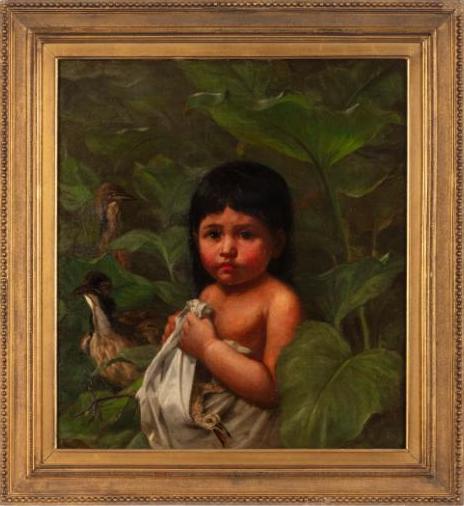
Fig 1. William H. Beard, Seminole Child with Bitterns, 1878
In order to hopefully gain a deep understanding of the artwork and why it was created, it is essential to first explore the artist that authored it, William Holbrook Beard (1824–1900). Beard was an American painter celebrated for his allegorical works that explored human nature and societal themes through animal symbolism. Having a deep passion for subject matters such as bears, bulls and tigers, Beard often blended humor, satire, and moral critique in his works, drawing upon contemporary anxieties about the boundaries between civilization and primal instincts. The approach is evident in one of his well-known works – Bear Dance (Fig. 1). Depicting individuals as human-like animals, and thus, our society as metaphorical a circus or a zoo, Beard appears to “embody the perceived disorder of an age when old rules fell into disarray without a new order to replace them,” as Sarah Burns wrote in her essay, Party Animals: Thomas Nast, William H. Beard and the Bears of Wall Street. Despite their whimsical tone, his works are often critical reflections of American society of the 19th century. While not being directly engaged with politics, through his art, Beard frequently alluded to the political dynamics of his time, criticizing institutions that constructed and maintained it. Such a political voice can be seen in The Bulls and Bears in the Market (Fig. 2), which was considered to be a reaction to the stock market crash of 1873 and the economic instability it triggered.
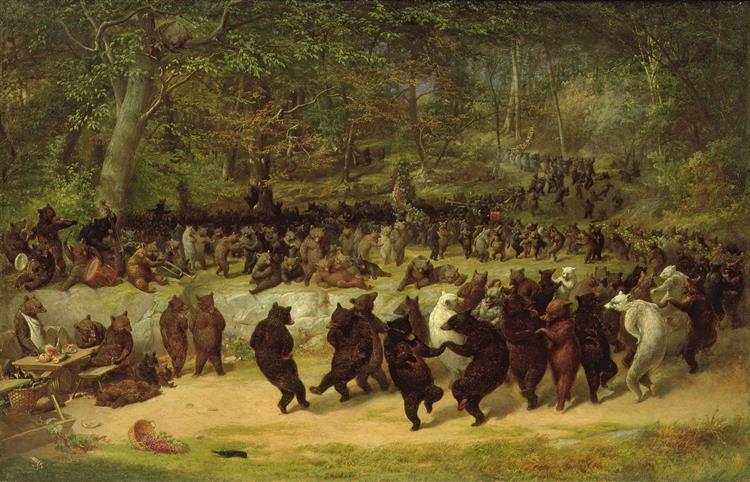
Fig 2. William H. Beard, Bear Dance, 1870
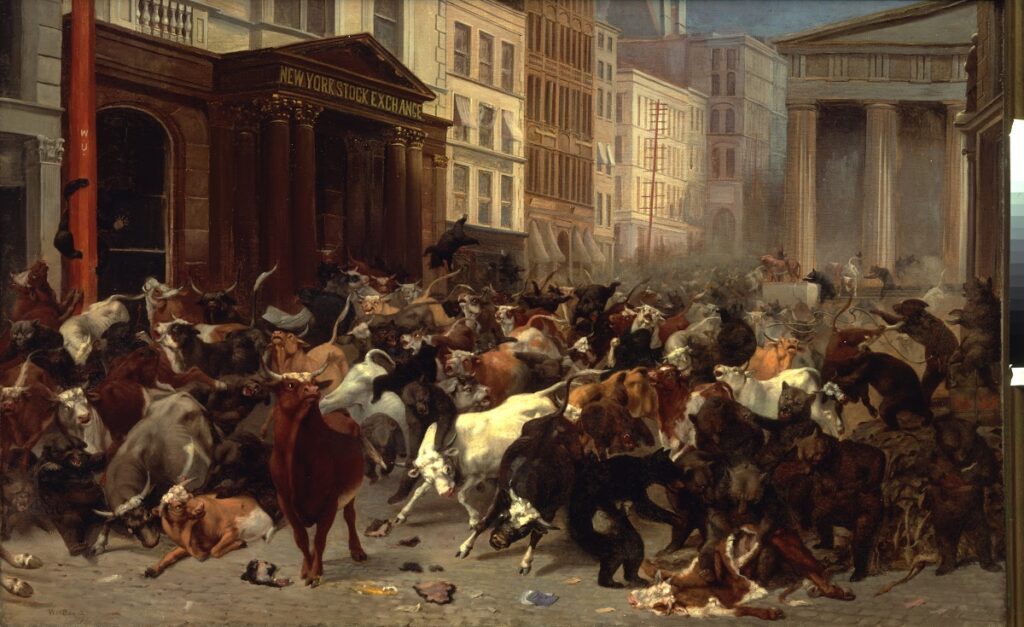
Fig 3. William H. Beard, The Bulls and Bears in the Market, 1879
However, our main focus of examination is neither Bear Dance nor The Bulls and Bears in the Market, which would be prime examples of William H. Beard’s artistic output. Seminole Child with Bitterns, although a beautiful work infused with depth and sensitivity, is among Beard’s lesser-known creations. In fact, having a general observation of the artist’s career, the work is one of the outliers in terms of stylistic choices, subject matter, and tone. Given Beard’s consistent engagement with social and moral commentary, it is unlikely that the portrait of the Native American child was created purely for aesthetic values or personal interest. Rather, the painting invites viewers to question the deeper motivations behind Beard’s depiction of a Seminole child. So what is his message? Was the work intended to offer a respectful and sympathetic reflection on Seminole life, or does it align with 19th-century artistic trends that romanticized and objectified Indigenous peoples? Given how the artist’s works were often reactive to historical events of the times, it is not far-fetched to speculate that the portrait of the Seminole child is connected to the Seminole Wars which ended two decades before the work’s creation.
As the theorized historical backdrop of the artwork, the three Seminole Wars between the Seminole people and the United States government, which spanned from 1817 to 1858, were marked by violence, displacement, and resistance. Sparked by U.S. expansionist policies, including the forced relocation of Indigenous peoples under the Indian Removal Act of 1830, the wars sought to remove the Seminoles from their ancestral lands in Florida. The First Seminole War (1817–1818) began as an extension of U.S. military incursions into Spanish Florida, while the Second Seminole War (1835–1842), the longest and most costly, erupted when the Seminoles refused to abandon their territory and way of life. The Third Seminole War (1855–1858) ended with most the remaining Seminoles forced into the Western territories, although small groups successfully retreated into the Florida Everglades, where their descendants remain today. By the late 19th century, when Beard painted this work, the Seminoles were often regarded in the American imagination as a “vanishing” people, a perception shaped by romanticized narratives of Indigenous resistance and inevitable loss.
This romanticization connects Beard’s work to the pervasive 19th-century trope of the “noble savage,” introduced by Philip J. Deloria in his book Playing Indian (1998), which simultaneously idealized and dehumanized Native Americans. In the text, Deloria discusses how white Americans constructed and appropriated “Indianness” not only as a colonial method, but also to define their own cultural identity. In his own words, “noble savagery” is a term that “both juxtaposes and conflates an urge to idealize and desire Indians and a need to despise and dispossess them.” Also according to Deloria, by “playing Indian”, or using and appropriating these fictional notions and imagery of Native Americans, these white settlers could experience an aboriginal closeness with the continent, while controlling the landscape and destroying the original inhabitants. Hence, using such a lens to return to the examination of Seminole Child with Bitterns, we can gain a different perspective. Before we do so, it is also important to note that around the time of the creation of Seminole Child with Bitterns, Beard also made another work with a similar subject matter titled Lo! The Poor Indian (Fig. 4).
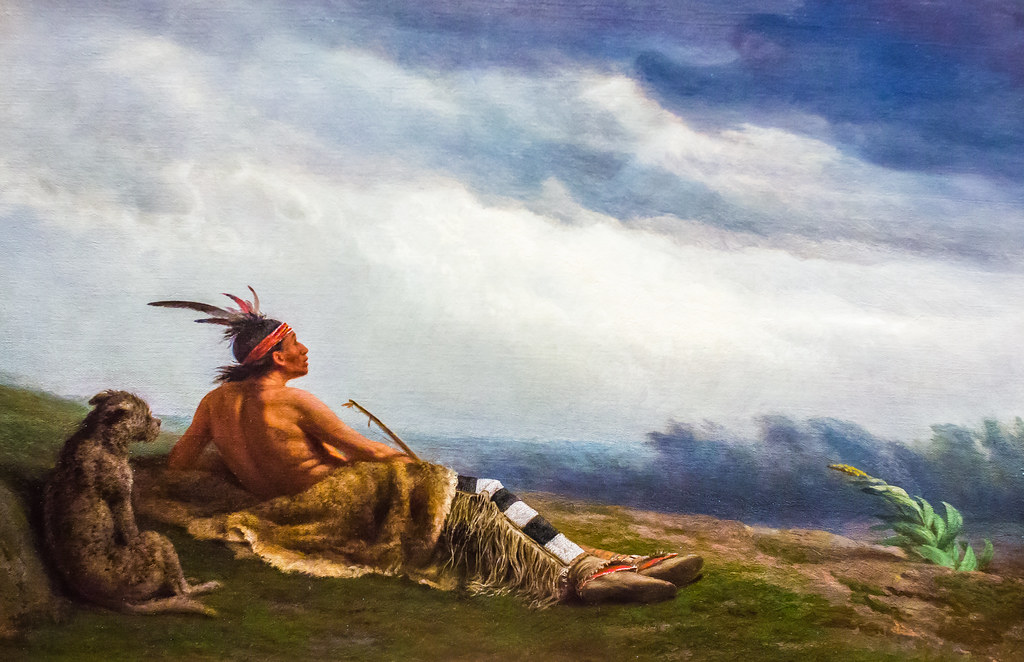
Fig. 4. William H. Beard, Lo! The Poor Indians, 1876
In Lo! The Poor Indian, Beard portrays an Indigenous figure seated in a scenic landscape, accompanied by a bear-like creature, gazing melancholically into the distance. The figure’s posture and the painting’s tone suggest quiet resignation, reinforcing the narrative of Native peoples as tragic relics of a bygone era, a theme also apparent in Seminole Child with Bitterns. These representations align with Deloria’s text, where he argues that Native Americans were often depicted in ways that served white Americans’ needs, whether as symbols of purity, resistance, or tragic decline. In works like Seminole Child with Bitterns and Lo! The Poor Indian, Beard participates in this phenomenon by presenting Indigenous subjects, the Seminole child or the “poor” Indian, as static, melancholic, and detached from the modern world. Therefore, by creating these images, Beard then reinforced the myth of the “noble savage,” the romantic archetype that celebrates Native peoples’ supposed closeness to nature while simultaneously erasing their agency, resilience, and contemporary struggles.
Moreover, by focusing on aesthetic beauty and melancholic reflection, Beard’s paintings obscure the willpower and intellectual prowess of Native American communities, particularly the Seminoles. The Seminole Wars, for instance, were marked not only by violence and loss but also by extraordinary acts of resistance and strategic brilliance, which had generally been obscured in these visual representations. Leaders like Osceola exemplified this defiance, refusing to accept defeat to U.S. forces despite overwhelming odds. In his book The Unconquered Seminole Indians, Irvin M. Peithmann recounts Osceola’s unwavering spirit, quoting his declaration: “You have guns, so have we… Your men will fight, and so will ours—till the last drop of Seminole blood has moistened the dust of his hunting ground!” Such statements highlight the Seminoles’ determination to defend their land and way of life, yet these narratives are rarely reflected in 19th-century visual representations. And not only that, not many representational or historical records told stories of their victories on the battlefield and the hardships they caused their oppressors. As Peithmann recorded: “The Indians had regained their fighting spirit under their war leader Osceola, and the position of the soldiers stationed in Florida has become desperate … By the end of 1836, the troops under General Scott had won no victories over the Indians.” Again, choosing to ignore these heroic characteristics and create a sorrowful portrayal of Native Americans, Beard, similar to other white Americans of the time, was taking part in “playing Indian” and exercising a colonization of these individuals through visual culture.
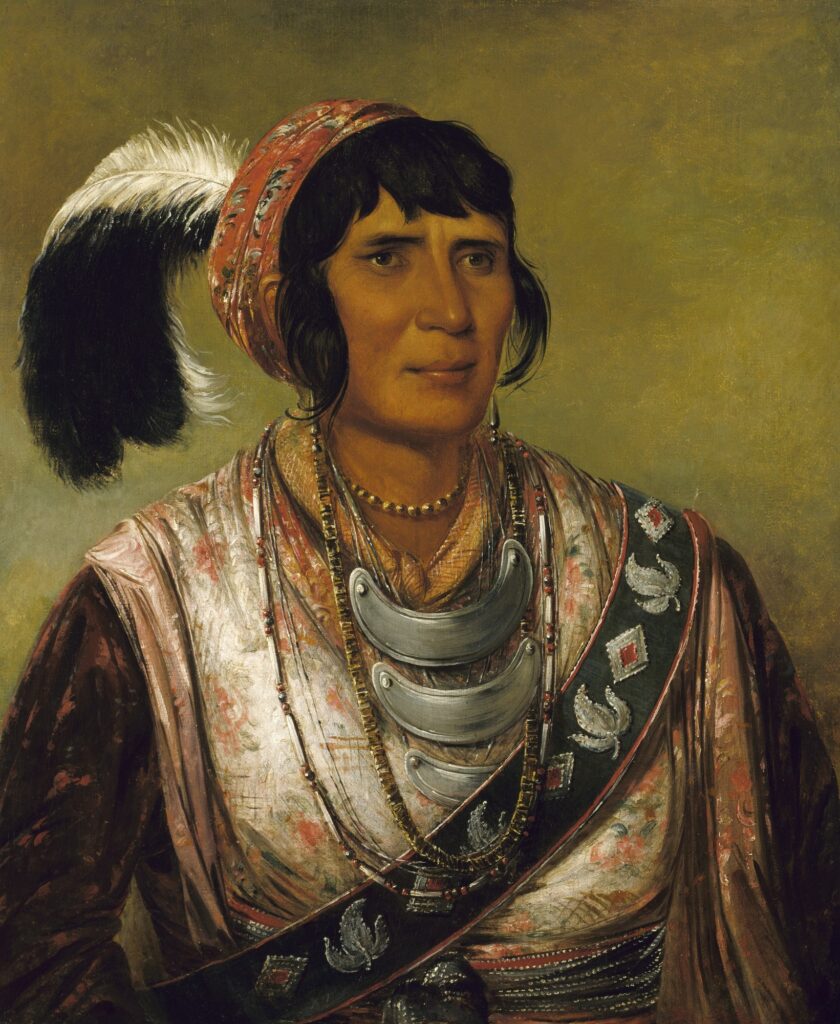
Fig 5. George Catlin, Os-ce-o-lá, The Black Drink, a Warrior of Great Distinction, 1838
Following such a thread, it is also important to investigate Beard’s identity as a white American male artist in relation to his creation. Works like Seminole Child with Bitterns contribute to a broader artistic tradition that romanticizes Native peoples while ignoring their lived realities, removing the subject from the historical and political context of displacement and resistance. It is likely that Beard created this work, possibly not for his sympathy towards these marginalized communities, but rather to gain recognition and acceptance of the audience of the time. Moreover, as a white, male artist, his identity inevitably shaped his portrayal of the Seminole child, reflecting the contemporary cultural biases and colonial perspectives. I find this reminiscent of the issues explored in Kay Dian Kriz’s essay: Belisario’s “Kingston Cries” and the refinement of Jewish identity in the 1830s. In her essay, Kriz argues that Isaac Mendes Belisario, influenced by his own identity and social stance, was creating romanticized depictions of newly freed Black slaves. Belisario was part of the Sephardic Jewish community, a group that was historically marginalized yet economically integral at the time. This background, as Kriz suggests, guided his portrayal of also marginalized Black figures. More specifically, it was possible that Belisario depicted emancipated Black slaves in ways that were either labor focused or performative, which were romanticized views that adhered to the colonial gaze. By contributing to the dehumanization of these slaves, Belisario could also aim to uplift his Jewish community to a higher social standing. Moreover, his reliance on European artistic traditions and colonial modes of representation underscores his desire to assert his own status within Jamaica’s stratified society, further representing Jewish people in colonial Jamaica at the time.
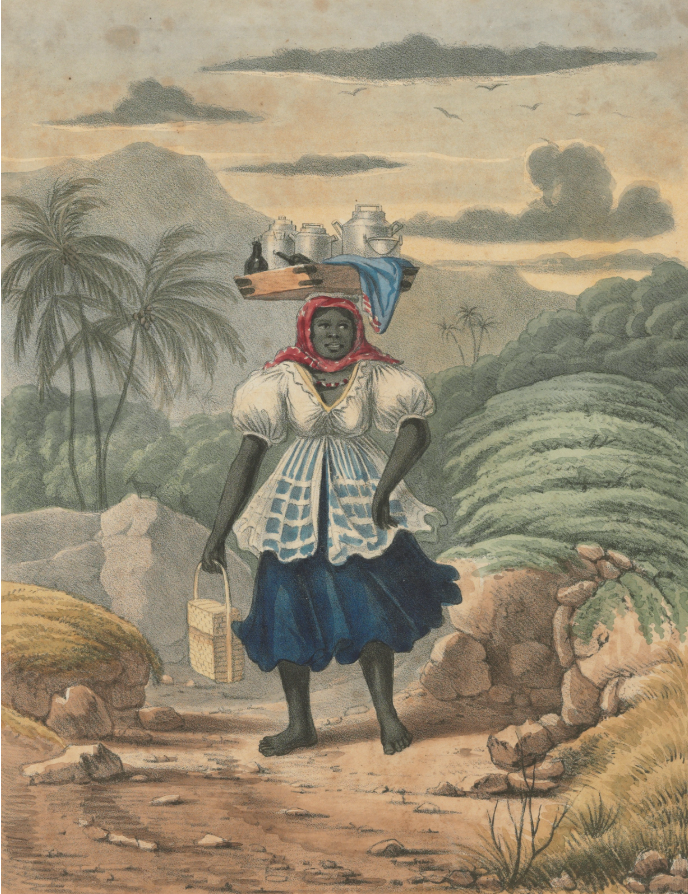
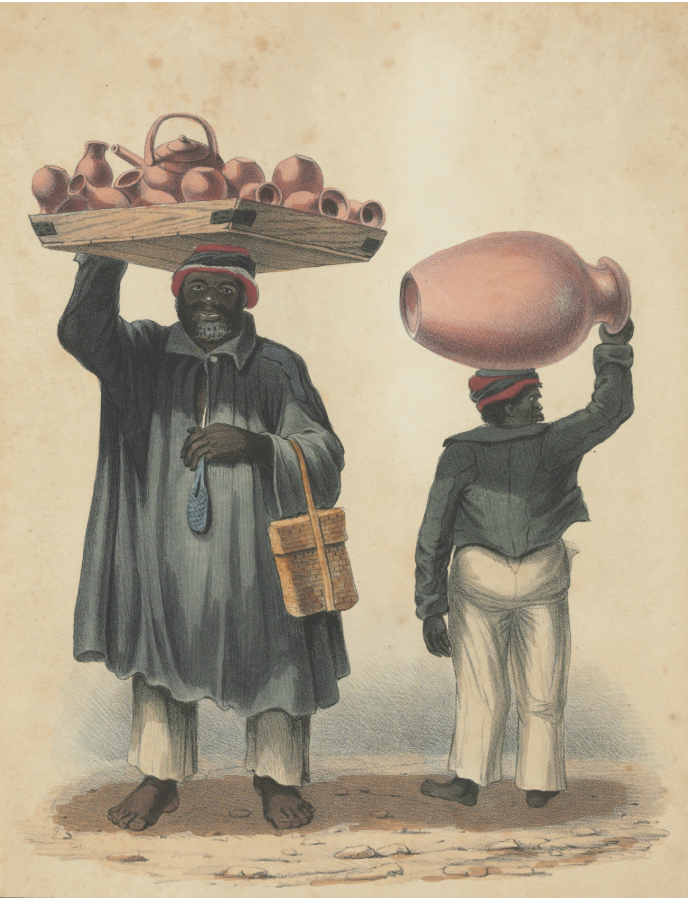
Fig 6. Isaac Mendes Belisario, Sketches of Characters, 1837-1838
Examining Kriz’s analysis of Belisario’s work is extremely beneficial to understanding Beard’s portrait of the Seminole child. Like Beard, Belisario’s artistic choices reflected both an aestheticization of his subjects and a detachment from their lived experiences. Both artists’ works highlight how representations of marginalized communities are often filtered through the lens of the artist’s own cultural and historical context. Additionally, within time periods when there are such strong hierarchies and social structures among different racial groups, these works help us understand the role visual representation plays, or the role of “art” during these periods. In Seminole Child with Bitterns, Beard’s emphasis on beauty and melancholy aligns with 19th-century artistic tropes but obscures the resilience and complexity of Seminole history. Similarly, Belisario’s Sketches of Characters aestheticized and romanticized the lives of enslaved and free African Jamaicans while sidestepping the harsh realities of colonial exploitation. These parallels underscore the broader role of artist identity in shaping representations of marginalized peoples. By focusing on aesthetic appeal, both Beard and Belisario risk perpetuating narratives that prioritize the perspectives and values of dominant groups over the voices and agency of the communities depicted. Like “playing Indian,” these artists aim to visualize a connection to these marginalized communities, but destroy their nuances to further contribute to hierarchies and promote the social standings of their groups. Therefore, Seminole Child with Bitterns is the mediator for their goal, a distorted representation of the Native American tribe, and a reinforcement of the historical hierarchy. Deeply changed and romanticized, has this image become “untranslatable”?
Alessandra Russo’s concept of “the untranslatable image” provides another layer of complexity to Beard’s work. Discussing the art of New Spain in The Untranslatable Image, she states that an artwork, by reordering and untangling the upheaval chaos in its reference point, can shed a new light on a given situation. However, by shedding this new light, the artwork and the artist then transform reality. I find this description of this transformation crucial to discussing Belisario’s and, more importantly, Beard’s works. In Seminole Child with Bitterns, we see this act of reordering and untangling apparent, as Beard, by depicting this romanticized portrait of a Seminole child in serene natural surroundings, is transformed and “polished” from the Seminoles’ complex and nuanced history of resistance. Moreover, we can consider Beard’s artwork an inevitable “untranslatable image” in that it presents an Indigenous subject through a white artist’s lens, and anything portrayed would be the white man’s perceived reality of the Native Americans, rather than their true lived history. For contemporary viewers, the “untranslatable” is also visible, as the painting exists as a beautiful yet problematic image, simultaneously reflecting romanticized ideals of Native peoples while erasing their lived experiences and agency. This tension between aesthetic harmony and cultural distortion underscores the limits of representation and the impossibility of fully capturing Indigenous identities within the dominant visual languages of 19th-century American art. Moreover, understanding the concept of the “untranslatable image” helps us further understand Seminole Child with Bitterns, and how it contributes to this lineage of colonial art that represents not only a Native American child, but an entire complex nuanced history of conflict and hierarchies.
In conclusion, by examining a seemingly beautiful portrait, it is possible for us to unravel a sophisticated history of a marginalized Native American community. Not only that, through textual works like Playing Indian or The Untranslatable Image, we are able to analyze the importance of visual representation in relation to historical hierarchies, most notably between white Americans and the indigenous communities, and the role of the artist’s identity in these relationships. Throughout history, institutional and systemic colonialism has dictated whose voices are represented, and in this case, as well as the majority of history, white colonizers have told the stories of marginalized communities to benefit their own, as a form of cultural exploitation. Such a discourse in art history, entangled with colonial history, is extremely complex and nuanced, yet paints such a vivid picture of human history. It would be fascinating to continue such an examination of visual culture and colonial representation for time periods after the 19th century and even in the modern day world. As colonization ends globally, humans are indebted to a history of conflict and abuse, how are modern and contemporary artists using artworks to make sense of and retell stories of those that had been misrepresented? And in today’s world, are there still instances of romanticized, untranslatable artworks like Seminole Child with Bitterns?
Sources
Burns, Sarah. “Party Animals: Thomas Nast, William Holbrook Beard, and the Bears of Wall Street.” The American Art Journal , 1999, Vol. 30, No. 1/2 (1999), 8-35.
Deloria, Philip J. “Playing Indian.” Yale University Press, 1998.
Kriz, Kay Dian. “Belisario’s ‘Kingston Cries’ and the Refinement of Jewish Identity in the 1830s.” Art and Emancipation. Ed. Barringer Forrester, and Martinez-Ruiz. 164-78.
Peithmann, Irvin M. “The Unconquered Seminole Indians.” The Great Outdoors Association, 1957.
Russo, Alessandra. “The Untranslatable Image: A mestizo history of the arts in New Spain, 1500-1600.” University of Texas Press, 2014.
Florida Department of State. “The Seminole Wars.”
https://dos.fl.gov/florida-facts/florida-history/seminole-history/the-seminole-wars