An aware subject is a biased one.
Join me as I lay a path between not looking into the realm of control.
Mere Observation
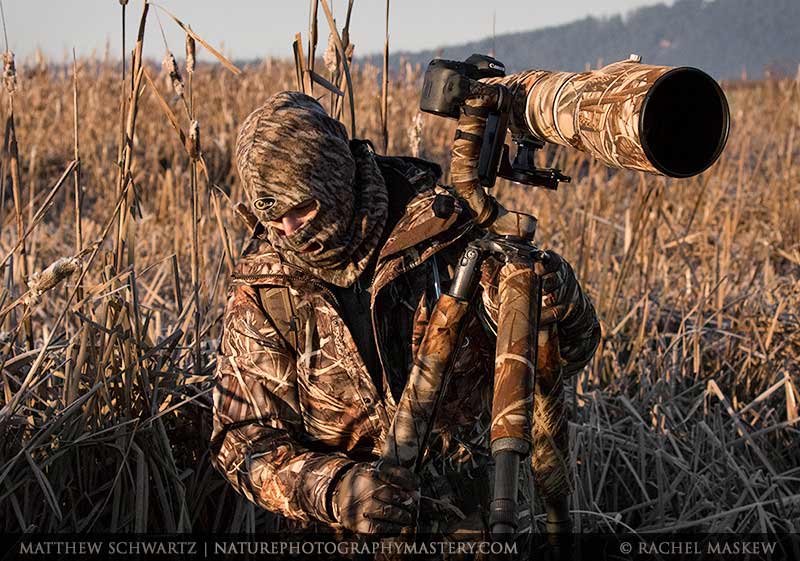
When you want something to be captured alla prima, a moment captured as it lay, you shall not observe it. This is a decent rule, exemplified by quantum particles, and practiced by nature photographers. In physics, merely looking at a particle causes it to ‘choose’ its state. I see this as fit to describe how the gaze of a viewer has an impact on things: power. When a nature photographer lay still in the Serengeti, they are trying to be as far as they can in regards to their impact on the subjects. This is an attempt to minimize one’s interference arises from an awareness of the inescapable influence the observer wields over the observed. Though we may seek a view in which no personal bias is cast: objectivity, we are shackled to our subjective lens we view the world through, shaping reality as powerfully as any physical action. Our way of seeing affects the seen, giving truth to the adage: to look is to change.
A Subtle Acknowledgement
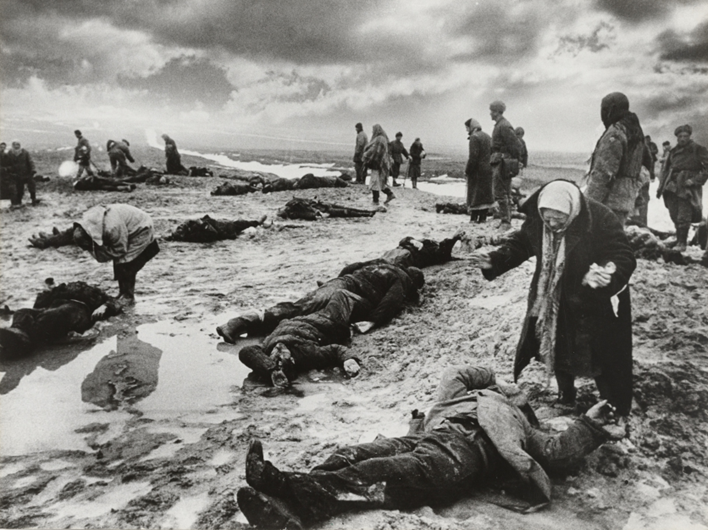
The photographers capturing images during wartime aimed to document the events as an impartial bystander. However, as Foucault argues, the act of observation itself influences the subject. Even if the photographers tried to minimize their interference, their very presence with a camera had an effect on the scenes and people they photographed. Though the war photographers despite intentions to document their subjects truthfully, Foucault suggests that objective observation is impossible. Our subjective viewpoint inherently shapes our perspective and what we capture through the camera lens or other means. The act of observing exerts a subtle power over the subject, once again pulling my example of quantum particles being affected by being measured into play, the true subject as an unobservable particle.
A Tinkering Gaze
Jamel Shabazz was an avid street fashion photographer on the streets of NYC, when taking his photos it is clear his subjects posed, presenting their best self to the camera, but more specifically, the potential audience. Additional support for this was garnered from a docents’ verbal account of a record of an interview with said photographer that stated that he often would interact, posing, and speaking with most subjects. Being aware of your audience as a subject, this feeling of being watched is particularly exemplified in Shabazz’s body of work, further established by what Foucault reasons regarding a panopticon (a prison where inmates would be unsure if the guard is watching, the pressure of the unknowable).
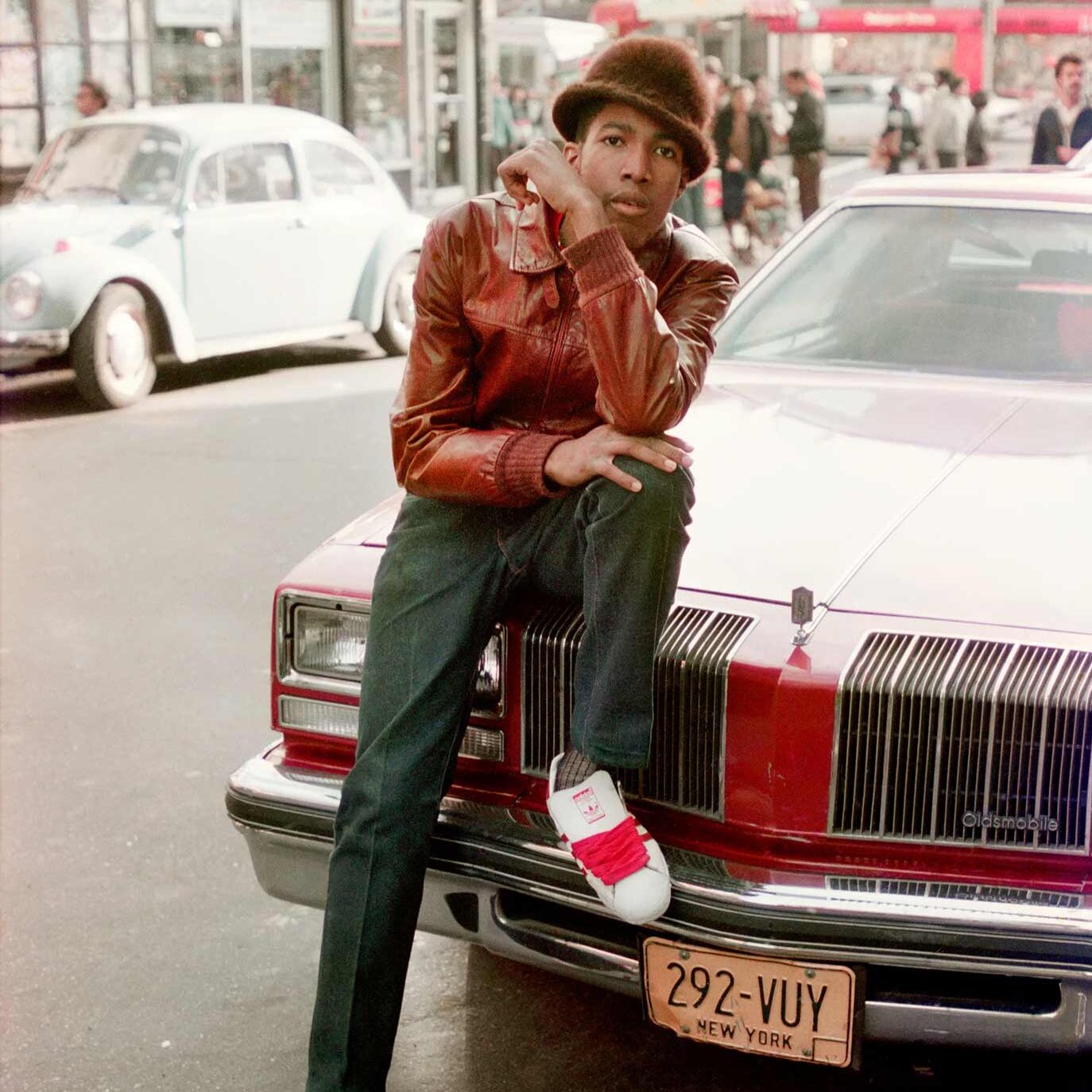
Observation itself changes and impacts the subject being observed.
Control.
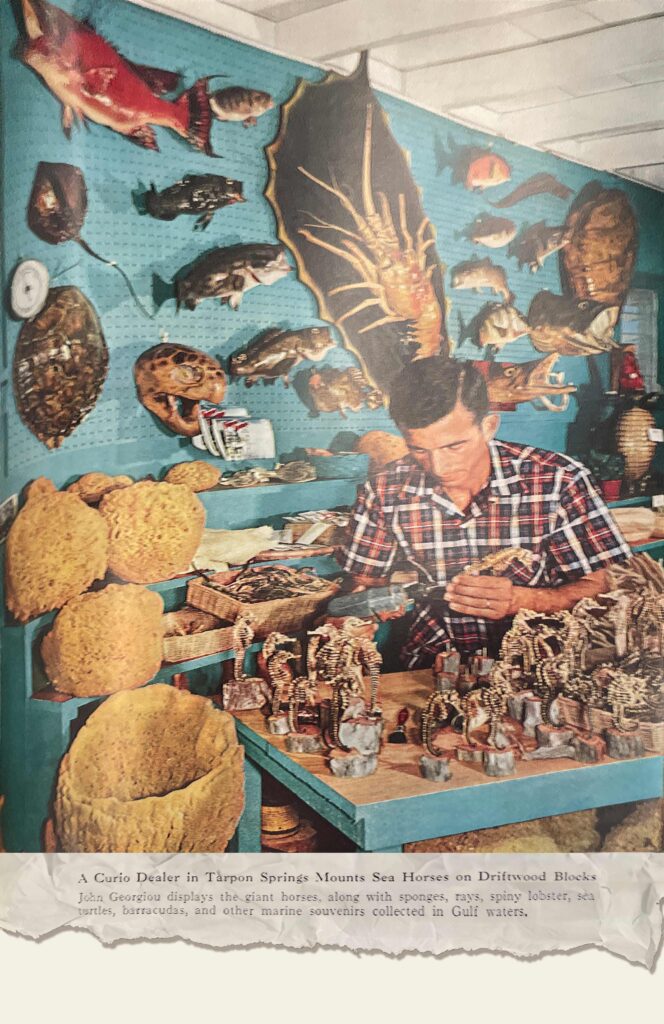
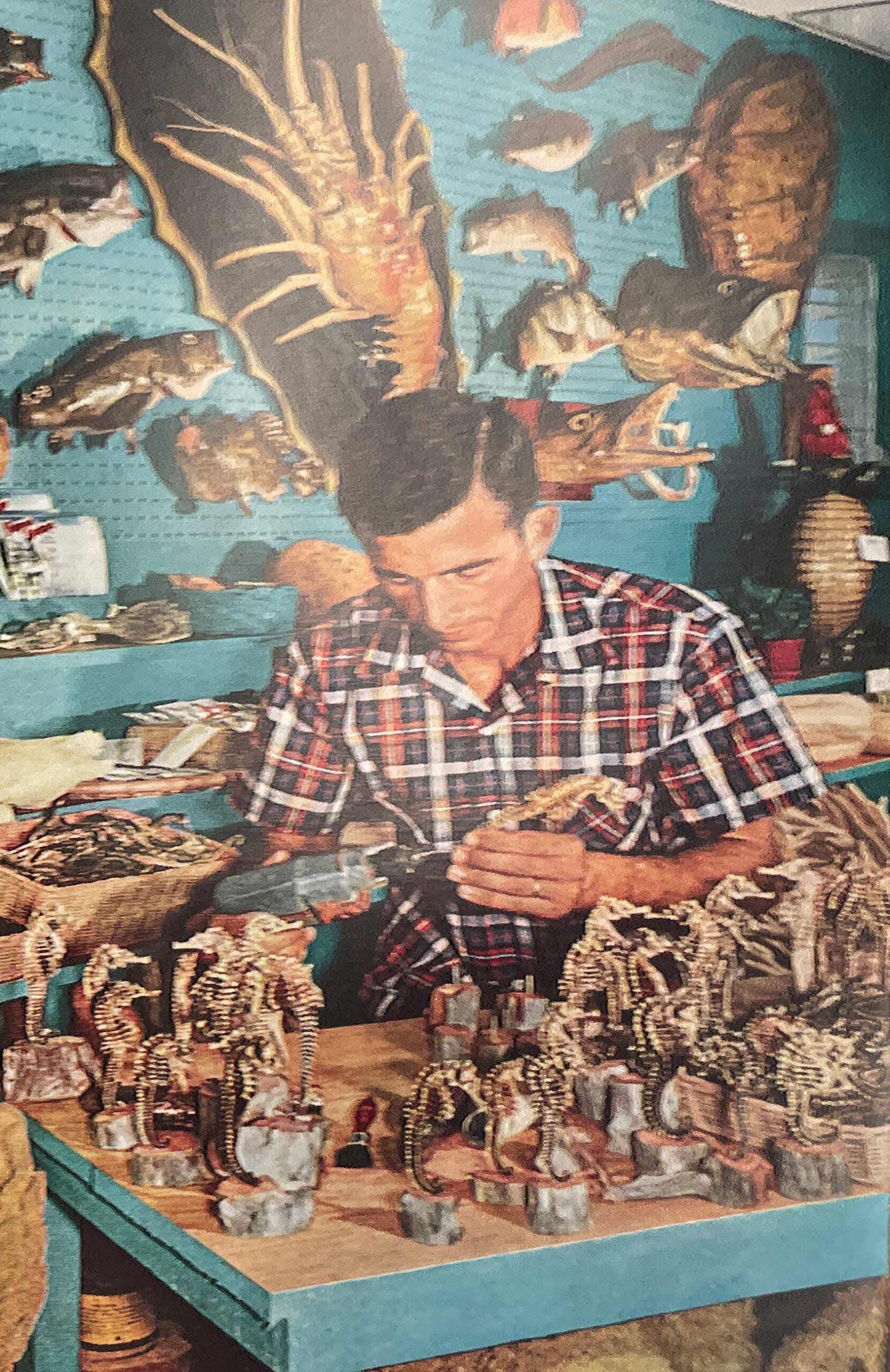
If I dare extend this neuron to connect with the featured image of this page, setting up a shop, selling what you believe to be the essence of the land, is single handedly crafting the world in a certain direction. Moreover, this curio shop clerk curates props to market a leisure landscape presenting trinkets and props to represent a place is putting forth a certain lens that alters perception of reality. The items chosen, display methods, and narrative around the objects pushes a particular viewpoint. Just as a photographer frames and edits an image, the shop owner’s curation of items presents a filtered view.
In all these cases, the observer’s perspective influences how the subject and a reality is represented to varying degrees. True objectivity may be unattainable, but acknowledging our subjectivity can make us more conscious of the power dynamics at play in observation and help us portray our subjects in a mindful manner.
I would defend that this curio dealer’s shop blurs boundaries between preserving natural specimens as artwork/souvenirs and completely changing their meaning, encapsulating what said dealer believes to be the essence of the land. This symbolizes an all to familiar false view of Florida, hiding flaws beneath an enticing veneer. Only the best creatures with the most exotic pull are chosen, poised and groomed to “natural perfection”. These once living creatures turn into almost an icon of the foreign.
There was a period where Carl Fisher brought elephants as a gift to Miami Beach (a land that has never been theirs to roam) in the 1920s to promote his resort vision and entertain tourists. To me, this is what the curio shop functions as, appropriating charismatic marine species as props to sell an idealized postcard vision of Florida that ultimately had been turned a falsehood when Florida became a frontier for the Anthropocene (The period marked by human dominance over
the environment, the current age of man).
Akin to the elephants, preserved and posed as art pieces from the natural environment, tokens of Florida’s landscape, these seahorses, sponges, and turtles are stripped of authentic context.
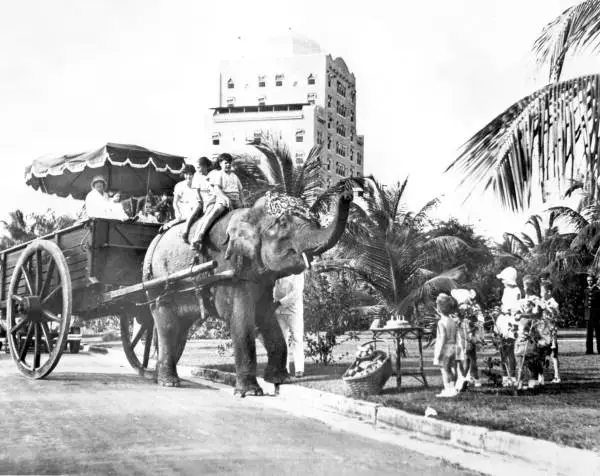
In displaying cleaned and shellacked sea turtles or sea horses frozen in active poses, the shop hides the truths of endangered species and troubled ecosystems, just as hotel guests remained oblivious to the elephants labor maintaining Miami Beach. The animals become part of holding a pleasing facade, supporting leisurely fantasy rather than ecological reality. As symbols, these creatures no longer represent struggling biodiversity or the hard work of conservation, but instead provide convenient icons for tropical paradise. The controlling view of the clerk serves as fixing a camera to the eyes of tourists showing them what they think is reality. The ‘trinkets’ once living status is rendered invisible, just as the Miami Beach workers and landscape alterations were put neatly away from the public’s drunken eye.
In the process of commodifying the land, the land has been permanently scarred, and these tokens can no longer call this place a home, even if the facade remains, a lorax-esque tale.
Power is not an institution, and not a structure; neither is it a certain strength we are endowed with; it is the name that one attributes to a complex strategical situation in a particular society.
Michel Foucault
We could relate this to how the preserved, inert seahorses symbolize the curation of nature to market a particular image of Florida for tourism, real estate, and profit. Just as sleep and downtime are commodified by 24/7 media (Crary), places like Florida become branded commodities that promise an idyllic leisure lifestyle. An equally controlling ‘gaze’ as the featured image’s clerk. Yet with more negative fallout, the lived reality of this manufactured Florida, life for retirees at Nalcrest, involves deficits and lacks an infrastructure to support those dreams.
The marketing materials and amenities offered at the Nalcrest retirement community promised an idyllic tropical lifestyle, yet the reality facing residents involved deficits and unfulfilled dreams. Both cases reveal a capitalist tactic of constructing an artificial leisure landscape catering to human hopes, while exploiting nature and animals in the process. The pursuit of these marketed lifestyles and commodified places took precedence over authentic wellbeing for man and beast.
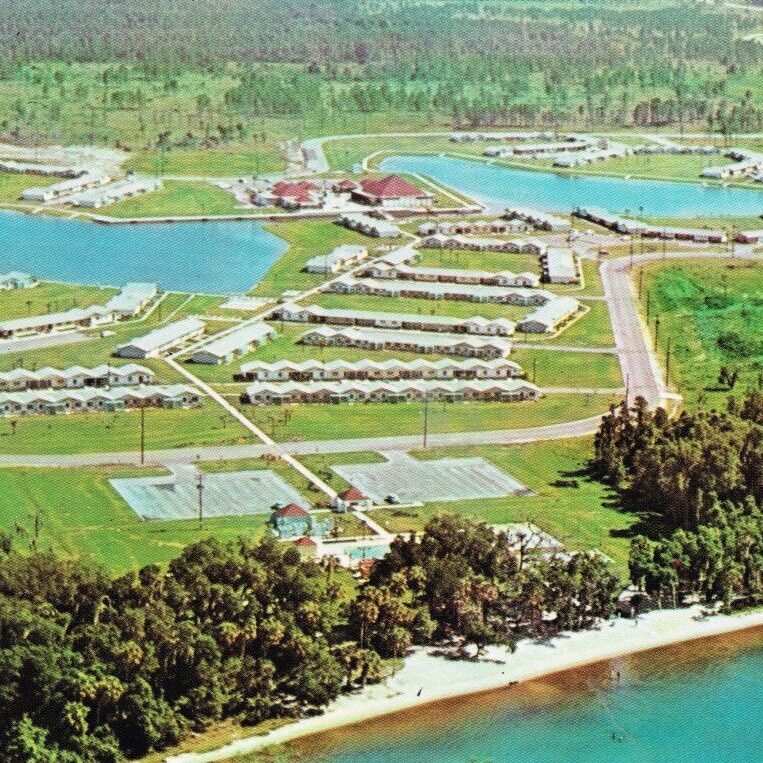
Just as the inert seahorses symbolize the packaging of life into products, the gaps between fantasy and reality show how inauthentic imitations sell dreams but seldom nourish. While pretty postcards and positive slogans promote fantastical places full of vitality, the truth involves artifice feeding an economic system rather than supporting the very people we call human.

Leave a Reply